Emotionally Focused Therapy · Denver, Colorado

We are a
couples therapy
practice in Denver.

Not a group practice that also sees couples when the schedule allows. Couples work — with three decades of research behind it — is all we do.

Accepting new couples · In-person & online
A couple walking together on a quiet forest path — light through tall trees.
What We Do Couples Therapy
Infidelity · Parenting
Approach Emotionally Focused Therapy
Evidence-Based Couples Therapy
The Difference Specialists, not generalists
This is all we do
Location In Person in South Denver
Online Statewide

Welcome to the Colorado Center for Couples & Families.

If you’re here, something isn’t working. Whether there’s distance, conflict, or betrayal, it’s easy to feel stuck and unsure of what to do next.

You may be feeling unappreciated by your partner, caught in the same painful arguments, or struggling with the impact of infidelity or addiction. However you got here — you’re in the right place.

Want to understand how EFT actually works?

In about eleven minutes, Jonathan walks through what Emotionally Focused Therapy is, why it works when other approaches haven’t, and what a first session is actually like.

Read more about EFT
Jonathan Zalesne Jonathan Zalesne · on EFT 11:24

Three paths people arrive here on.
And how the work differs.

Couples Therapy

Break the cycle. Reconnect.

When couples come to us, they are usually caught in the same argument on repeat — different words, same wound. We help you see the pattern, understand what’s underneath it, and interrupt it for good. The goal isn’t better communication. It’s a different relationship.

Read about our approach

Infidelity Recovery

After betrayal, a way through.

An affair can leave both partners hurt, confused, and uncertain about the future. We have walked many couples through this, and most come out the other side stronger than they were before. The work starts with getting to the truth of what happened — and from there, we help you figure out what’s possible, together.

Read about infidelity recovery

Tried therapy before?

If it didn’t stick, here’s why.

If you have done couples therapy and it didn’t stick, you’re not alone. Most traditional approaches focus on teaching you new skills — how to communicate better, fight fair, listen more. And it works for a while. But if the deeper issues haven’t been addressed, the same patterns come back. Emotionally Focused Therapy (EFT) is a different approach.

Read about EFT

Not a workbook.
Not a new set of rules. Change from the inside out.

At the Colorado Center for Couples and Families, our work is grounded in Emotionally Focused Therapy (EFT) — a highly effective, evidence-based approach to improving relationships. Instead of teaching communication skills or giving you things to practice at home, EFT gets underneath the patterns that keep pulling you apart — and changes them from the inside out.

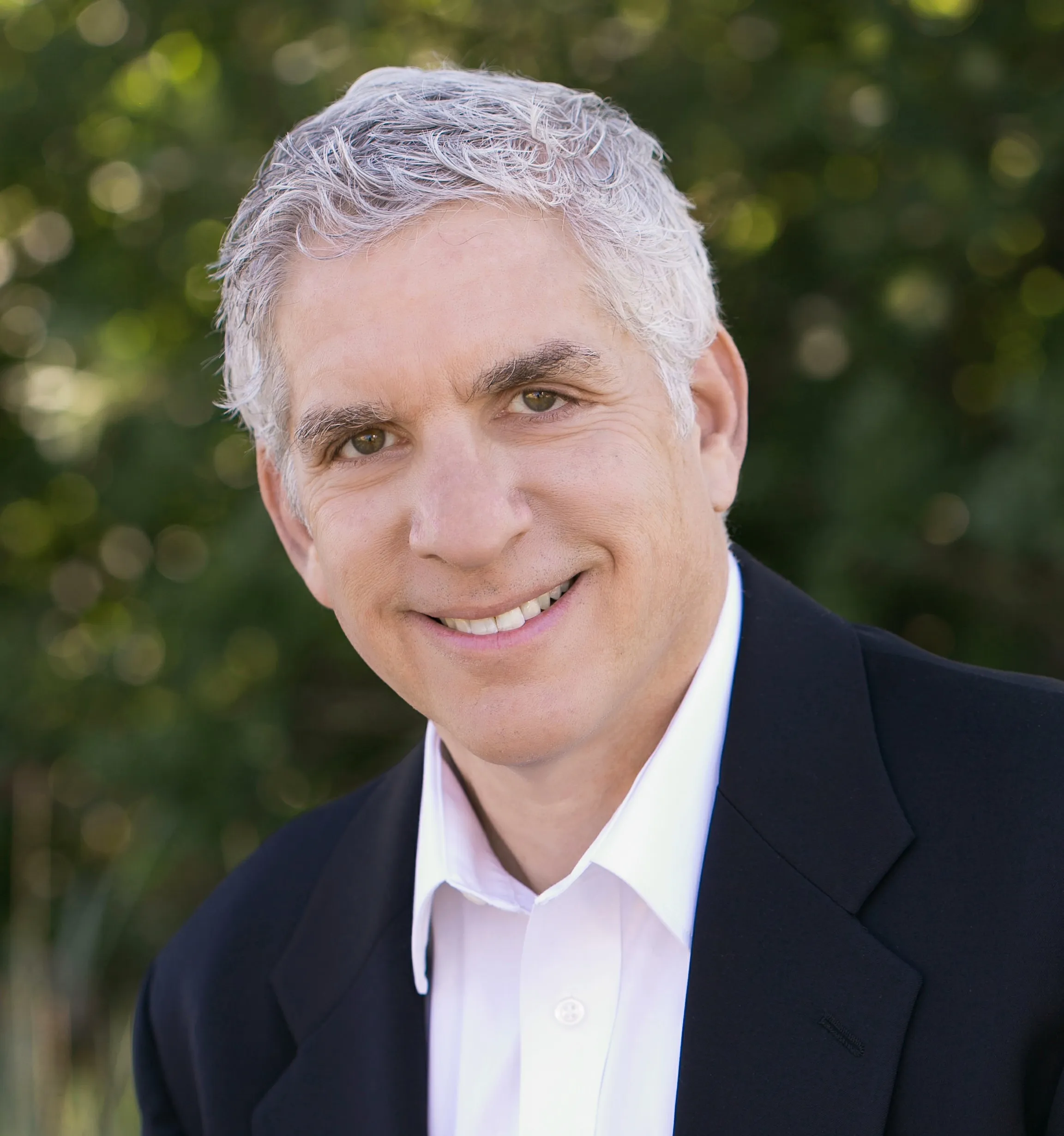
Jonathan Zalesne is one of the most experienced EFT therapists in the country, and also teaches and supervises other clinicians in the model.

This approach isn’t about quick fixes or surface-level solutions. It is about getting to the heart of what is keeping you disconnected — and helping you find your way back to each other.

Get started

Ready to get started?

Call us. You can talk as long as you want, ask whatever you need to ask — no strings attached.

Our office is at 3600 S Yosemite St, Suite 1050, in south Denver — and we see couples statewide via telehealth.

Frequently asked

Questions couples ask before calling.

Do you take insurance?

We are a private-pay practice. Most insurance plans don’t cover couples therapy at all — they require a mental health diagnosis on one partner, which couples work doesn’t fit neatly into. Since couples therapy is all we do, taking insurance was never a practical fit.

We can provide superbills if you want to pursue out-of-network reimbursement through your plan.

What does a session look like?

Seventy-five minutes, both partners in the room (or on the video call), and your therapist working with what’s actually happening between you — not handing out homework or scripts.

Early on, we spend time understanding the cycle you get caught in — the pattern of reaches and reactions that shows up whenever something matters. Once that’s visible, the work is helping you both step out of it and into something more honest.

How long does couples therapy take?

It depends on what you’re bringing in. Most couples notice real shifts in 8–12 sessions, but some stay longer — particularly couples working through infidelity, long histories of disconnection, or deeper attachment wounds.

We aren’t a 6-session “skills program.” EFT moves at the pace of the relationship, not a curriculum. After the first few sessions we’ll have a much clearer sense of scope, and we’ll tell you what we think.

What if only one of us wants to come?

This is more common than you’d think. One partner is ready and the other is uncertain, skeptical, or flat-out resistant. That’s not a dealbreaker — it’s often where the work starts.

Your partner doesn’t need to be fully on board — just willing to come in and see what it is like.